
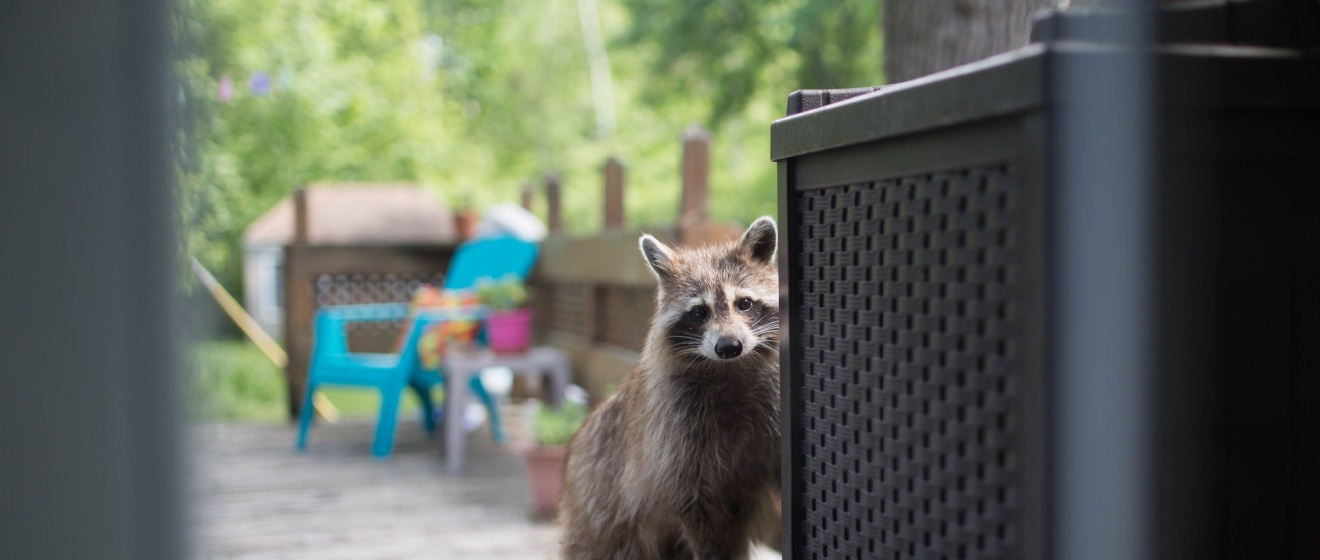
Cordova is one of the more heavily wooded suburban communities in Shelby County, with mature tree canopy, creek corridors, and neighborhood green spaces that support active wildlife populations throughout the year. Many homeowners are aware of the wildlife around their property—they see squirrels in the yard and hear raccoons at night—but what they often do not realize is that wildlife problems inside their homes can develop quietly over a considerable period before any obvious sign surfaces. Our Cordova wildlife control team regularly assesses properties where an infestation that appears recent is actually months old.
How Entry Goes Unnoticed
Most wildlife entry points are located at or near the roofline—at soffits, fascia boards, roof vents, and roofline transitions. These areas are not visible from the ground during the course of normal daily activity, and the animals that exploit them—roof rats, squirrels, and raccoons—operate in ways that limit their visibility. Roof rats are nocturnal and small. Squirrels enter during daylight hours but retreat quickly and nest deep within the attic insulation. Raccoons are most active after dark.
A small entry gap high on the roofline of a two-story home could be actively used by rodents for weeks before any interior sign of the problem becomes apparent to the people living in the house below.
The Lag Between Entry and Detection
Once an animal gains access, the internal signs of its presence take time to accumulate to a level that reaches the living areas of the home. Droppings build up in the attic space. Insulation is disturbed and compressed. Gnawing on structural wood and wiring progresses gradually. None of these are immediately perceptible from inside the living areas. The odor associated with an established infestation—from urine accumulation and, in the case of rodents, from deceased animals—develops over time and is often first attributed to something else before its source is identified.
Homeowners typically notice the problem when sounds become consistent enough to register, when droppings or gnaw marks appear in a pantry or cabinet, when a stain appears on a ceiling, or when a pest control visit for a secondary issue reveals evidence of a larger wildlife problem above.
Why Cordova Properties Carry Elevated Risk
Cordova’s tree coverage is one of the factors that make it a desirable place to live—and one of the factors that contribute to sustained wildlife pressure on residential structures. Overhanging branches and elevated fence lines provide roof access. Creek corridors running through and between neighborhoods support consistent rodent and raccoon populations. Properties near Wolf River greenway areas or drainage corridors in particular see higher baseline wildlife activity than properties in more open settings.
Homes in established Cordova neighborhoods also tend to be older, and structural components at the roofline—soffits, fascia boards, and vent screens—may have deteriorated to the point where wildlife entry requires little effort.
The Value of a Proactive Inspection
Homeowners who schedule an inspection before signs of a problem appear inside the home are in a considerably better position than those who wait. A professional assessment of the exterior identifies active entry points, evidence of recent wildlife activity, and structural vulnerabilities that represent likely future access points—all before an infestation has time to develop and cause significant damage.
Magnolia Wildlife Solutions provides free inspections for homeowners across Cordova and the surrounding Shelby County area. We are a locally owned wildlife control company serving the Mid-South, and we specialize exclusively in wildlife removal and exclusion. To schedule your inspection, contact us.