
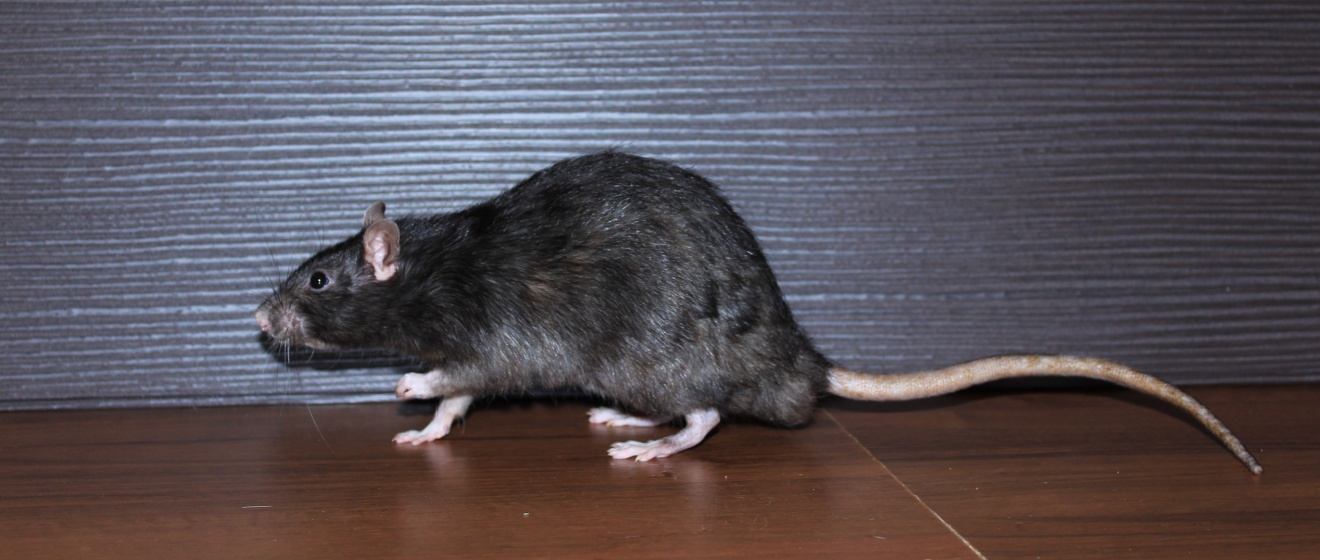
Roof rats are skilled climbers that spend most of their time above ground level—along fences, up trees, across utility lines, and onto rooftops. In Olive Branch, where mature residential tree canopies are common and structures sit surrounded by vegetation, these rodents can move through a neighborhood largely unobserved until they are already well established inside a home. Our rodent control team regularly inspects properties where homeowners had no idea a roof rat population had been active for weeks or months.
Why Roof Rats Go Undetected
Unlike Norway rats, which tend to burrow near ground level and are more likely to be spotted in yards or garages, roof rats operate primarily at height. They enter homes at the roofline—through gaps in soffits, damaged fascia boards, deteriorated roof vents, openings where utilities penetrate the exterior wall above the foundation, and spaces where different roofline materials meet and leave small gaps. These entry points are out of the typical homeowner’s line of sight, and the animals themselves do most of their traveling and foraging after dark.
Once inside, roof rats establish nests in attic insulation and wall voids—areas that most homeowners have little reason to access. They can be active in a structure for an extended period before any sign of their presence reaches the living areas of the home.
Common Entry Points
The most frequently exploited access points include:
- Gaps where soffit panels meet the roofline or each other
- Deteriorated or missing roof vent screens
- Openings around HVAC lines, plumbing vents, or electrical conduits that penetrate the roofline or upper exterior wall
- Damaged or lifting fascia boards, particularly on older homes
- Gaps at roof ridges or where additions meet the original structure
Roof rats need an opening of roughly three-quarters of an inch or larger to enter. Many of the gaps that allow access are not visible from the ground and require a close inspection of the roofline and upper exterior walls to identify.
Signs of a Roof Rat Problem
Because these rodents operate in areas of the home that go unvisited, homeowners often notice indirect signs before they ever see an animal. Scratching or scurrying sounds in the ceiling at night are among the most common first indicators. Gnaw marks on attic joists, damaged insulation, droppings in the attic space, and a persistent odor from an enclosed area are additional signs that a problem has progressed beyond initial entry.
In some cases, rats eventually chew through drywall or make their way into kitchen cabinets or pantry areas—which is often when homeowners first become fully aware of the situation. By that point, the infestation is typically well established.
What to Do
If you are noticing any of these signs, or if you want a professional assessment of your home’s vulnerabilities before a problem develops, a thorough inspection is the right starting point. Our post on what to do if you have a rat problem in Olive Branch covers the next steps in detail.
Magnolia Wildlife Solutions provides free inspections for homeowners in Olive Branch and surrounding areas. Our technicians assess the full exterior of the structure, identify active and potential entry points, and develop a removal and exclusion plan tailored to the property. To schedule your inspection, contact us.