
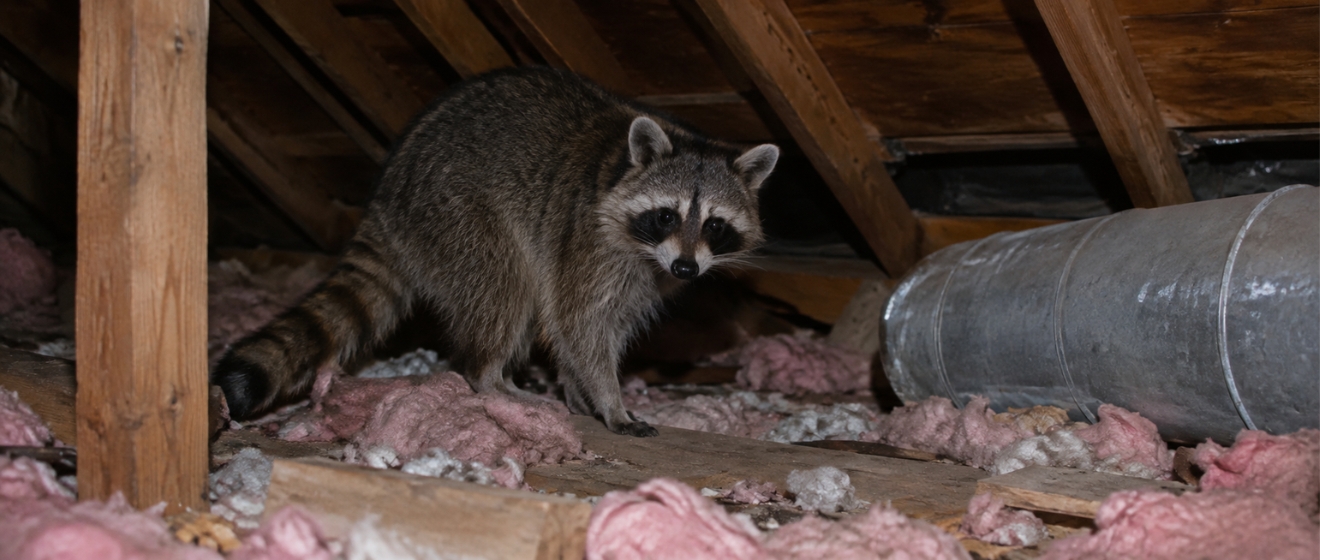
The location, timing, and sound of movement can help distinguish a raccoon in a chimney from one in an attic, but an inspection is the safest way to confirm it. We provide wildlife control in Germantown for homes where heavy nighttime movement, vocal sounds, or roof damage suggest a raccoon has entered the structure.
Chimney Sounds Stay Near the Flue
A raccoon inside a chimney often creates scraping, shifting, or thumping that seems concentrated above a fireplace. Sounds may carry down the flue and feel unusually close to the room, even when the animal is higher in the chimney. Homeowners may also hear chattering or crying if young are present.
Check the fireplace area without opening a damper or reaching into the firebox. Soot or debris below the flue, an unusual odor, or sounds that change when someone enters the room can support the chimney possibility. Keep people and pets away from the fireplace until the location is confirmed.
Never light a fire to force an animal out. Smoke and heat can injure or kill wildlife, separate a mother from young, and push an animal into the living space. Closing a damper without knowing where the raccoon is can also complicate removal.
Attic Movement Spreads Across the Ceiling
An attic raccoon usually has room to walk, turn, and investigate several areas. The result may be heavier footsteps that travel across a ceiling or pause near soffits, roof returns, or attic access points. Activity is often most noticeable after dark, although a disturbed animal may move during the day.
Raccoons are much heavier than mice and squirrels, so the sound tends to be slower and more forceful. Scratching may occur near the entry point or nesting area. Displaced soffit material, damaged vents, bent flashing, or an opening along a roof edge can provide exterior clues.
Identification requires evidence beyond sound. Squirrels and other animals can produce surprising noise inside hollow building spaces. The time of day, size of the damage, tracks, droppings, and exterior opening help complete the identification.
Young Raccoons Change the Situation
Female raccoons may use protected parts of a home as den sites. Repeated chirping, whining, or high-pitched calls from one location can indicate young. The adult may leave to forage and return later, creating periods of silence between bouts of activity.
Dependent young require careful handling. Removing or excluding the adult without accounting for the litter can leave young behind. The resulting odor, noise, and animal welfare concerns make a complete inspection important before any opening is sealed.
Season and behavior provide context, but they do not replace direct confirmation. A technician can inspect the suspected den area, check the roof and chimney, and select a removal plan that fits the specific structure and family group.
Exterior Clues Point Toward the Route
Look from the ground for a missing chimney cap, loose screening, damaged soffit, lifted roof edge, or dark rub marks around an opening. Raccoons can climb downspouts, trees, masonry, and other textured surfaces. A branch over the roof may make access easier, although trimming a branch will not close an existing entry point.
Avoid climbing onto a steep roof or approaching an occupied chimney. A raccoon may defend itself when cornered, and damaged roofing can be unstable. Photos taken safely from the ground can help document a change until a professional inspection is completed.
Our raccoon control service includes inspection, removal, and exclusion planning. The technician identifies the active route and evaluates other openings around the home before repairs begin.
Do Not Seal the Opening Too Soon
A homeowner may be tempted to cover a damaged vent or cap a chimney as soon as the opening is found. That step can trap an animal inside or separate an adult from its young. It can also cause the raccoon to tear at another part of the structure while trying to escape.
Temporary observation can be useful when it is done from a safe distance. Note when sounds begin, where they seem strongest, and whether the noise moves. Avoid banging on the ceiling or sending pets into the attic. Agitating the animal can increase damage and make its behavior harder to interpret.
After removal, the entry point needs durable exclusion work. Nearby weak areas should be evaluated as well, especially around roof transitions, soffits, vents, and chimney flashing. Cleanup needs depend on where the raccoon stayed and how much contamination or insulation damage is present.
Get the Location Confirmed
Chimney and attic cases require different access and removal plans, so correct location is important from the start. A professional can inspect both areas, look for young, determine how the raccoon entered, and explain the safe order for removal and sealing.
Avoid direct contact with Racoons if heavy movement or vocal sounds are coming from your Germantown roofline, chimney, or attic, and keep the suspected opening available until it has been evaluated. Request a raccoon inspection and we will determine where the animal is located and what the home needs next.