
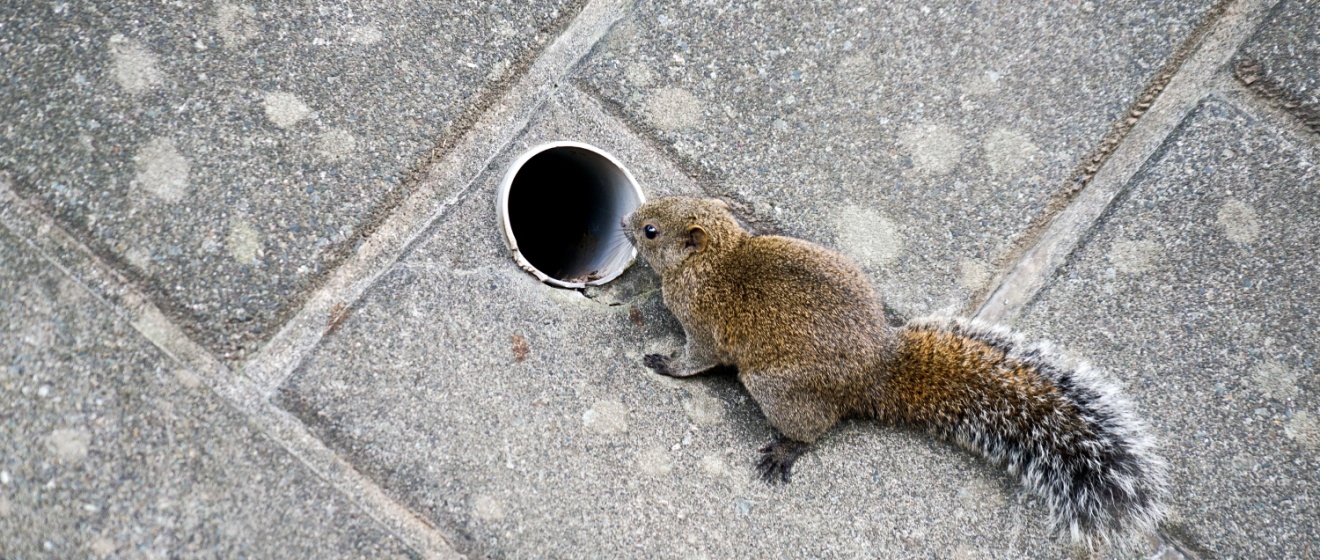
Many Memphis neighborhoods are densely wooded, and the tree canopy that makes them appealing also puts squirrels in consistent contact with rooflines. That contact creates entry opportunities, and our Memphis wildlife control team inspects homes throughout Shelby County where the same vulnerabilities appear again and again. Knowing where squirrels gain access helps homeowners understand what to look for and where the structural risks on a typical home are concentrated.
Roof Vents
Standard roof vents—low-profile turbine vents and flat louvered vents—are among the most frequently exploited entry points. The screens covering them can deteriorate over time, and squirrels will tear through compromised screening without much difficulty. Once a vent screen fails, the opening provides direct attic access. Turbine vents with damaged fins or missing caps are especially vulnerable.
Soffit Gaps and Deteriorated Fascia
Soffits and fascia boards run along the underside and edge of the roofline. Wood rot, storm damage, and weathering can create gaps or soft spots in these materials, and squirrels are persistent chewers that will enlarge a small existing gap into a usable opening. Vinyl soffit panels that have shifted or pulled away from their channels are a common entry route as well.
Where Roof Sections Meet
Points where a sloped roof transitions to a vertical wall—at dormers, additions, and complex rooflines—frequently have small gaps at the transition. These are easy to overlook during routine maintenance and well suited for squirrel entry. The same applies to areas where two roof sections meet at a valley or ridge.
Chimneys
An uncapped chimney is an open entry point. Squirrels readily enter chimneys and can either become trapped or find access to living areas of the home. Even capped chimneys with improperly fitted or deteriorated caps can be compromised. Exclusion-grade chimney caps designed specifically for wildlife prevention are more reliable than generic hardware.
Utility and Pipe Penetrations
Wherever a pipe, conduit, or utility line passes through an exterior wall or the roofline, a potential gap exists. When these penetrations are not properly sealed—or when original sealant has shrunk or crumbled—an opening large enough for squirrel entry may be present. HVAC lines, plumbing vents, and electrical conduits are all worth examining during an inspection.
Why All Entry Points Need to Be Identified
Squirrels generally use one primary entry point consistently, but a structure may have additional vulnerabilities they have not yet exploited. If exclusion work closes the main entry without addressing secondary openings, squirrels unable to return through the primary route will locate the next available gap. A professional inspection identifies all vulnerable locations—including those that require a ladder and close examination—so that exclusion addresses the complete picture.
To schedule a free inspection of your Memphis-area home, contact Magnolia Wildlife Solutions.