
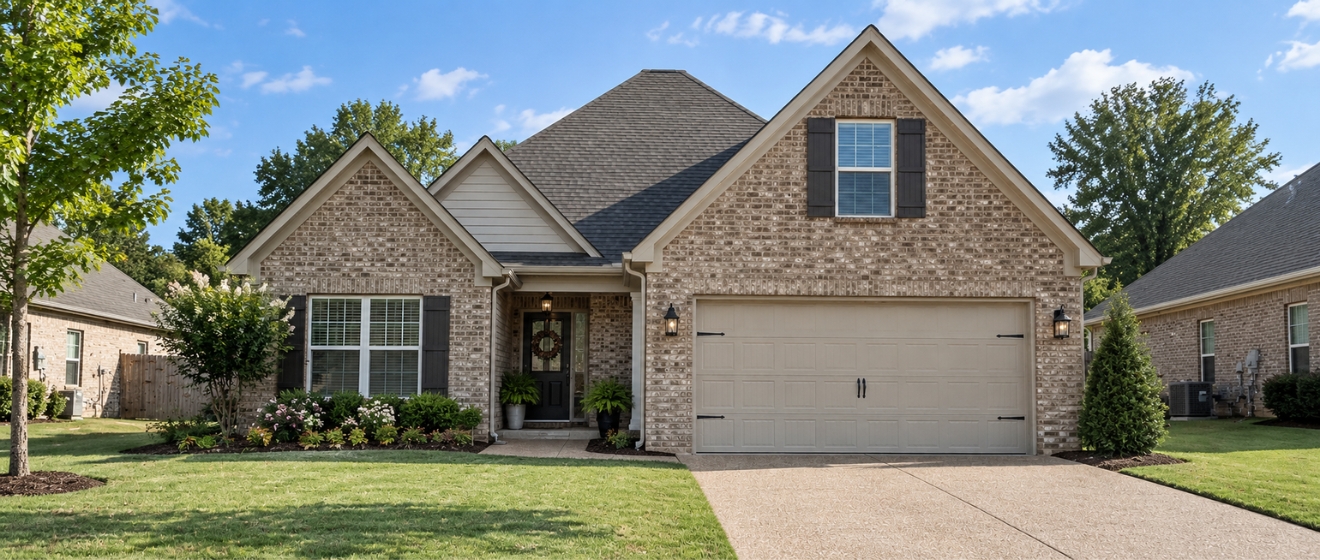
Whole-house wildlife exclusion is a process that requires examining the complete exterior of a building, identifying openings animals can use, and building a coordinated plan to close vulnerable areas once any animals inside have been addressed. At Magnolia Wildlife Solutions, we provide whole-house wildlife control across the Mid-South. We treat inspection, removal, and property protection as connected parts of the same plan.
A Full Exterior Inspection Comes First
The process of whole-house wildlife exclusion begins with the whole outside of the house. A technician looks at the roofline, vents, soffits, fascia, chimney, siding, foundations, crawl space features, doors, garage seals, and places where utilities enter. Additions, attached garages, porches, and roof transitions receive attention because adjoining materials can leave concealed gaps.
A technician also considers the animal involved. A gap that can admit a mouse is different from an opening used by a raccoon. Tracks, droppings, nesting material, rub marks, hair, chewing, and damage can help connect an opening to a particular species. Interior observations may show where the animal has traveled, but the exterior inspection is needed to locate the route into the structure.
A technician records both confirmed entry points and other openings that are large enough or weak enough to become future routes. That distinction keeps the plan accurate. A technician can explain which area shows current use and which areas are included as preventive protection.
Exclusion Is Planned Around the Animal
Animals should not be sealed inside an attic, wall, chimney, or crawl space. The removal and exclusion sequence depends on the species, location, and time of year. The presence of dependent young can also affect what can be done safely and legally.
A coordinated plan may include:
- Identifying the animal and determining where it is entering
- Selecting a removal or exit method suited to the species
- Confirming that adults and dependent young have been addressed
- Closing active and vulnerable openings with appropriate materials
- Rechecking areas where movement or damage was found
These steps are adapted to the home. Every roof design, chimney, vent system, addition, and wildlife situation requires individual planning.
Materials Must Match the Structure
Exclusion materials need to resist weather and the animal likely to test them. Metal flashing, screening, vent protection, sealants, and other construction materials may be used in different combinations. The goal is to strengthen the opening while preserving the intended function of the building component.
Vents still need airflow. Drainage paths need to remain open. Utility equipment may require service access. Chimneys need appropriate caps and clearances. A patch that blocks one problem while interfering with those functions is incomplete work.
The finished work should also connect cleanly to the surrounding surface. Wildlife often returns to a familiar route and may pull at a weak edge. Securing the perimeter of a repair is as important as covering the center of the opening.
The Interior Helps Confirm the Scope
An attic or crawl space inspection can reveal compressed insulation, nesting material, droppings, chewing, or travel paths. These signs help estimate where animals have been and whether cleanup should be considered. Interior findings also help a technician compare what is visible inside with openings found outdoors.
Proper access and equipment are necessary for some inspection areas. Steep roofs, tight crawl spaces, damaged decking, electrical hazards, and contaminated spaces should be approached cautiously. Homeowners can document sounds and visible signs without entering unsafe areas.
Cleanup and sanitation needs vary. A small, accessible area differs from widespread contamination in insulation. The inspection should define what was observed and what work is being recommended rather than assuming every wildlife visit requires the same response.
Whole-House Work Reduces Patchwork Repairs
Sealing only the opening an animal used today can leave similar gaps on another side of the house. Animals that lose access to one route may investigate roof returns, vents, soffit edges, or other weak points. We weigh those alternatives before the work is completed.
The approach is especially useful on homes with additions, multiple roof levels, decorative trim, or previous repairs. Those features create many junctions that are hard to evaluate one at a time. A property-wide plan gives the homeowner a clear scope and reduces repeated visits for unrelated openings.
We serve communities across Northern Mississippi and Southwest Tennessee. Our service-area information shows the Mid-South communities we cover, including Olive Branch, Germantown, and Collierville.
What Homeowners Should Expect
A useful whole-house wildlife exclusion proposal should name the species or note any remaining uncertainty, describe the areas inspected, outline removal and exclusion steps, and specify the openings included in the work. Homeowners should understand the order of service and any access or preparation required.
After exclusion, continue watching for sounds, damage, or fresh droppings. Some situations require follow-up to confirm that the plan worked as intended. Changes to trees, roof components, utility work, or future construction can also create new vulnerabilities, so exclusion remains part of normal property maintenance.
A complete exclusion process comes from inspecting the whole property, not from patching the one hole that happened to show activity first. Schedule a comprehensive wildlife inspection with Magnolia Wildlife Solutions and we will tell you which openings need attention and how the work should be sequenced.