
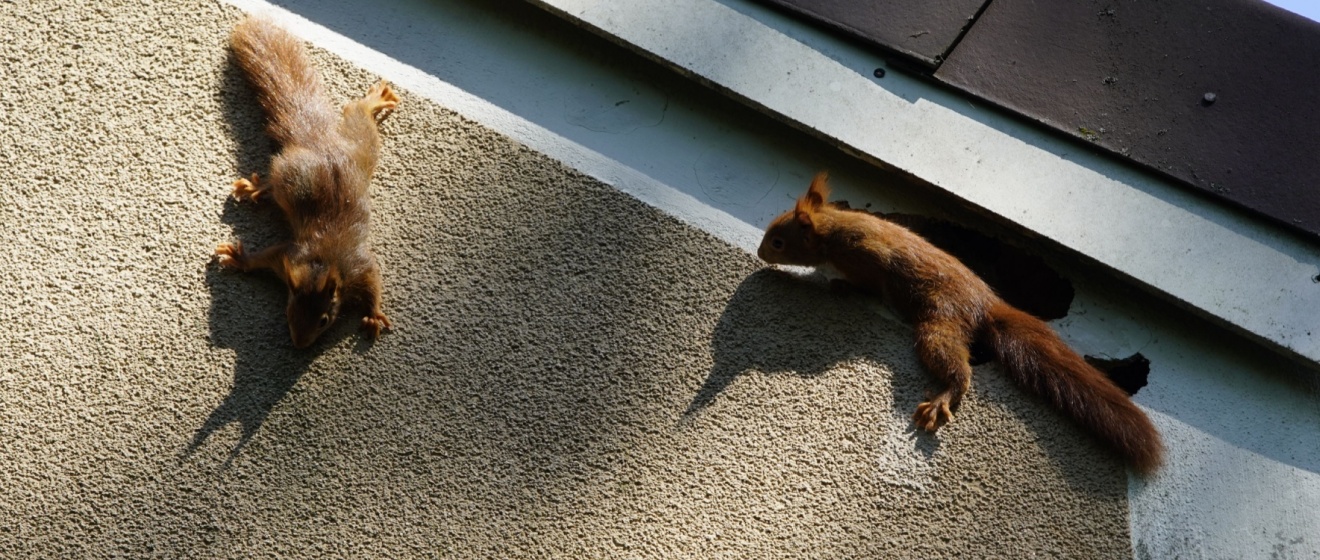
Step outside in Germantown and it’s hard to miss the constant motion of squirrels. They race across rooftops, leap between branches, and forage in yards as if the neighborhoods were built just for them. Their abundance isn’t random—Germantown’s environment provides everything squirrels need to thrive, from food and shelter to safety from predators. Here are the key reasons why squirrels are so numerous in Germantown neighborhoods.
Endless Food Options in Suburban Yards
From acorns and pecans to bird feeders and gardens, Germantown provides squirrels with a steady food supply. Even unsecured trash bins add to the menu, ensuring these animals never go hungry. Unlike rural areas where food can be scarce, suburban yards guarantee abundance year-round.
Common food sources that keep squirrels thriving in Germantown include:
- Mature oak and pecan trees dropping nuts each season
- Bird feeders filled with seed, often replenished daily by homeowners
- Fruit trees such as apple, pear, or persimmon providing seasonal harvests
- Vegetable gardens offering easy access to tomatoes, corn, and leafy greens
- Pet food left outdoors which squirrels quickly learn to raid
- Unsecured trash bins containing scraps and leftovers
- Landscape plants and ornamental shrubs that produce berries or seeds
This abundance of food means squirrels rarely struggle to find nutrition, allowing populations to grow larger and more resilient than in areas with limited resources.
Homes and Trees Double as Shelter
Squirrels are resourceful nesters, and Germantown’s neighborhoods provide them with an abundance of options. Mature trees with hollow cavities remain their natural choice, but the design of local homes often replicates these conditions. Attics, soffits, and crawl spaces offer warmth, dryness, and protection from predators, making them highly attractive to squirrels seeking safe nesting sites.
Sheds, garages, and other secondary structures provide additional opportunities for shelter. These spaces often have small gaps, vents, or openings that squirrels can exploit. Once inside, they gather insulation, leaves, and other materials to build nests. This activity not only damages property but can create long-term problems, as squirrels tend to return to the same nesting spots year after year.
The combination of natural and man-made shelters explains why Germantown experiences such high squirrel activity. With tree-lined streets and homes offering easy access points, squirrels have little reason to leave. Their ability to adapt to both environments ensures that populations remain strong, and without intervention, homeowners may find themselves dealing with recurring invasions season after season.
Seasonal Cycles Shape Their Behavior
Squirrels in Germantown follow distinct seasonal rhythms, and these patterns explain why homeowners notice activity spikes at different times of the year.
- Spring: Nesting and raising young. Mothers build nests in trees or attics and care for litters of two to four babies, often heard scratching or moving overhead.
- Summer: Foraging and exploring. Juvenile squirrels begin venturing out, testing their climbing skills and raiding gardens and yards for seeds, fruits, and insects.
- Fall: Gathering and storing food. Squirrels collect acorns, pecans, and other nuts, burying them across lawns and raiding bird feeders to stockpile calories.
- Winter: Seeking warmth indoors. With food scarce and temperatures dropping, squirrels move into attics, garages, and crawl spaces, nesting in insulation for shelter.
These seasonal cycles highlight why squirrel activity feels unpredictable. In reality, their behavior follows a consistent annual rhythm, amplified by Germantown’s abundance of food and shelter.
Limited Predators in Neighborhoods
In Germantown’s developed neighborhoods, squirrels face far fewer natural threats than they would in rural or forested areas. Predators such as hawks, owls, coyotes, and foxes are less common in suburban settings, largely because human activity and urban expansion reduce the habitats these predators rely on. With fewer dangers to contend with, squirrels can forage, nest, and reproduce with minimal risk, allowing their populations to grow unchecked.
This imbalance in the local ecosystem means squirrels enjoy a survival advantage in Germantown. Without the natural checks and balances provided by predators, their numbers increase steadily. Over time, this leads to higher visibility in neighborhoods, where residents notice squirrels not only in trees and yards but also attempting to enter homes in search of shelter and food.
Human Habits Invite Them In
Squirrels are quick to adapt to human behavior, and many everyday habits unintentionally encourage their presence. Bird feeders stocked with seed, pet food left outdoors, and unsecured garbage bins all act as reliable food sources. Even small gestures, such as feeding squirrels directly, reinforce their comfort around people and increase their reliance on residential areas for survival.
These habits create a cycle where squirrels learn that neighborhoods provide safety and abundance. Once they associate homes with easy meals and shelter, they return repeatedly, often bringing offspring along. Over time, this human-wildlife interaction strengthens their presence in Germantown, making it harder for residents to avoid encounters without changing daily routines or securing property more carefully.
Urban Growth Shrinks Natural Habitat
As Germantown continues to expand, natural habitats are steadily reduced. Forested areas and open fields give way to housing developments, shopping centers, and roads. Squirrels, being highly adaptable, respond by moving into neighborhoods where trees, lawns, and homes mimic aspects of their natural environment. This shift explains why residents see more squirrels in suburban settings compared to undeveloped areas nearby.
The overlap between human spaces and wildlife habitats creates ongoing challenges. Squirrels no longer need to remain in wooded areas when neighborhoods provide food, shelter, and relative safety. As urban growth continues, the boundary between human and wildlife territory blurs further, ensuring that squirrels remain a constant presence in Germantown’s communities.
Managing Squirrel Problems Humanely
While squirrels are part of Germantown’s ecosystem, their presence inside homes can cause damage and health risks. Humane management focuses on prevention and safe removal, ensuring homeowners protect their property without harming wildlife.
Practical strategies include:
- Seal small access points: Even openings as narrow as two inches along rooflines or soffits can let squirrels in. Using heavy-duty flashing or hardware cloth prevents entry.
- Secure chimneys and vents: Chimneys act like open doors, and dryer vents are easy targets. Installing chimney caps and vent guards blocks access while maintaining airflow.
- Use smarter bird feeders: Squirrel-proof feeders with weight-sensitive perches or baffles allow birds to feed while discouraging squirrels from raiding.
- Trim tree branches near roofs: Branches that hang over rooftops act as bridges into attics. Cutting them back reduces direct access.
- Remove nesting materials: Piles of leaves, firewood, or yard debris near homes provide squirrels with building supplies. Clearing these reduces attraction.
- Apply humane exclusion devices: One-way doors let squirrels exit attics but prevent re-entry, ensuring mothers can safely relocate their young.
- Schedule professional inspections: Specialists can identify hidden entry points and nesting areas that homeowners often miss, offering long-term solutions.
At Magnolia Wildlife Solutions, we specialize in these humane approaches, combining prevention with safe removal to protect homes while respecting local wildlife. Our team understands Germantown’s unique challenges and provides tailored strategies that keep squirrels out for good.
Schedule a humane squirrel management service with Magnolia Wildlife Solutions today and enjoy a squirrel-free home without harming the local ecosystem.