
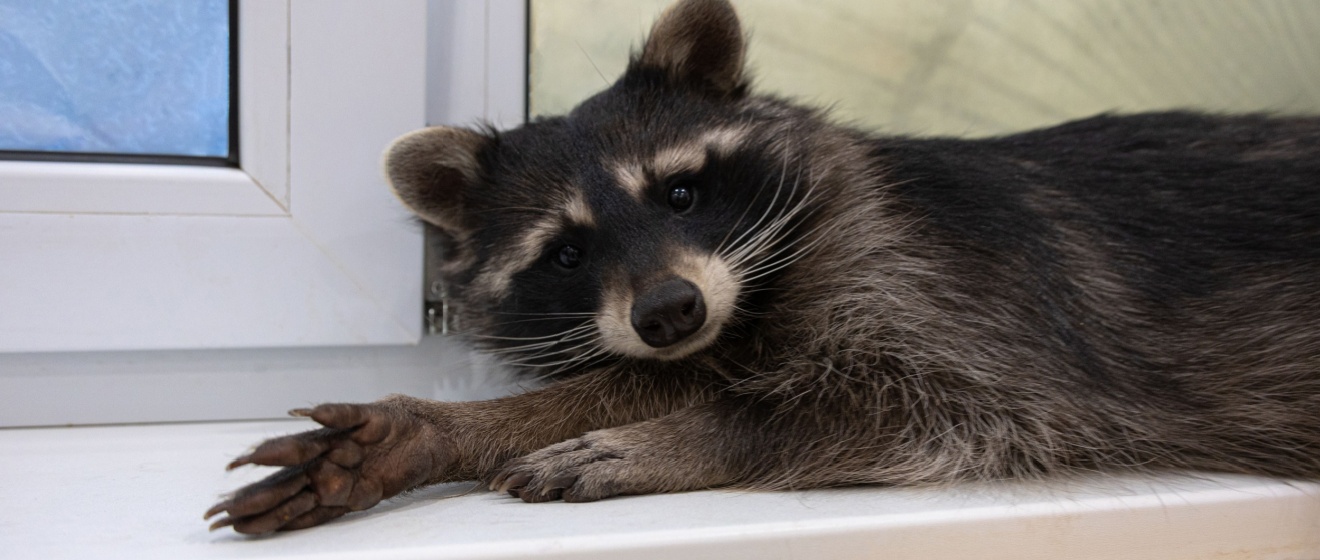
Raccoons are opportunistic animals that will exploit whatever shelter is most available and most secure. In Olive Branch, where residential neighborhoods border wooded corridors and drainage areas, raccoons are a consistent presence—and attics are consistently their preferred destination. Our raccoon control team responds to attic intrusions far more often than any other type of raccoon complaint, and the reasons come down to what attics offer that other spaces do not.
What Attics Provide That Other Areas Do Not
A raccoon’s primary shelter requirements are security from predators, protection from weather, and a stable environment for raising young. Attics satisfy all three. They are enclosed, elevated, warm, and rarely disturbed. From a raccoon’s perspective, an accessible attic is one of the most suitable nesting environments available in a residential area.
Ground-level spaces—crawl spaces, under decks, beneath porches—do not offer the same level of security. They are closer to predators, more accessible to other animals and to humans, and more exposed to temperature fluctuations. Raccoons will use them when attic access is not available, but given a choice, elevated enclosed spaces are strongly preferred, particularly by females preparing to give birth.
Breeding Season Drives Attic Entry
Raccoon breeding in North Mississippi typically occurs in late winter, with young born in spring. A female raccoon seeking a denning site in the weeks before birth will actively search for the most secure enclosed space she can access. Attics are a consistent target during this window. A single determined female can cause significant structural damage in the process of forcing entry—tearing back roof vents, pulling up shingles at vulnerable points, or enlarging a small existing gap at a soffit or fascia board.
Once young are born in an attic, removal becomes more complex. The family unit needs to be addressed completely, and timing matters. This is one of several reasons why addressing raccoon access points before or at the first sign of activity is preferable to waiting.
How Raccoons Enter Olive Branch Homes
Roof vents are the most commonly compromised entry point. Standard aluminum louver vents are not designed to resist raccoon intrusion, and a raccoon that identifies a vent as an entry point can defeat it quickly. Soffits with existing damage or deterioration, gaps at roofline transitions, and uncapped chimneys are also regularly exploited. Raccoons are strong animals—they can enlarge a gap that a squirrel would have to chew through over time.
In Olive Branch neighborhoods with mature trees, overhanging branches provide direct rooftop access, which puts the entire roofline within reach. Properties near drainage corridors, wooded lots, or green spaces tend to have higher raccoon pressure than properties in more open settings.
The Damage an Attic Raccoon Causes
Raccoon activity in an attic is not limited to the entry point. Insulation is compressed, torn, and fouled with urine and droppings. Raccoon feces can carry Baylisascaris roundworm, which poses a genuine health risk and requires proper handling during cleanup. Ductwork can be damaged, and electrical wiring is at risk from gnawing. An established raccoon presence in an attic is a property damage and health issue, not simply a nuisance.
Magnolia Wildlife Solutions handles raccoon removal humanely, seals all entry points with exclusion-grade materials, and addresses cleanup and sanitization of affected attic areas. To schedule a free inspection, contact us.