
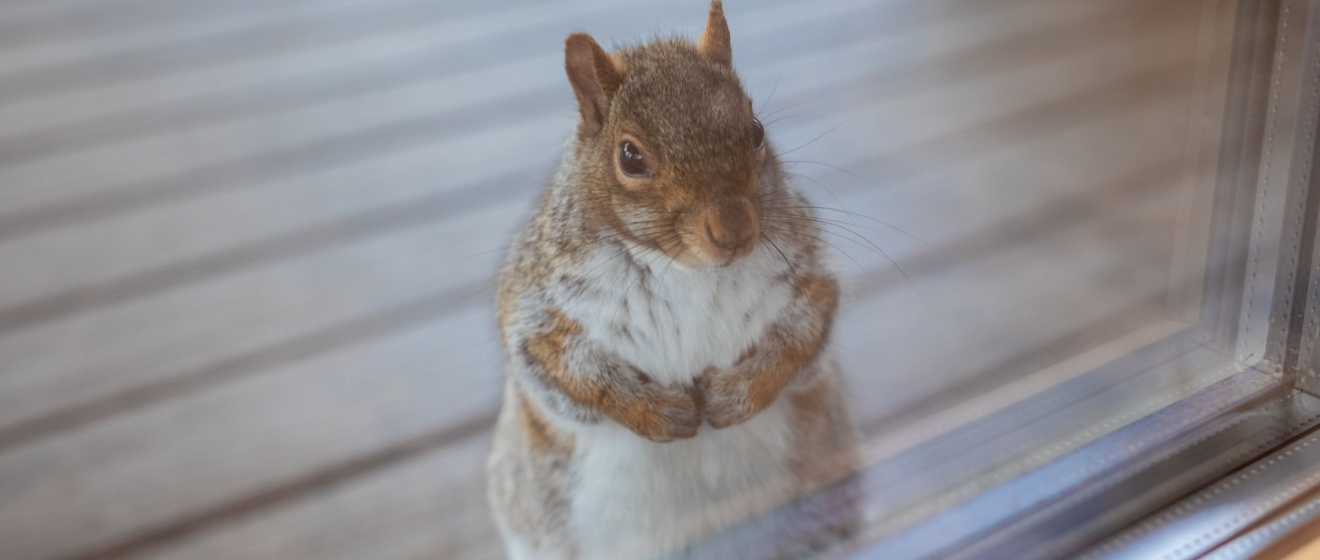
Having squirrels removed from an attic is a manageable process. What frustrates many homeowners is that squirrels return—sometimes within the same season, sometimes the following year—to the same home, the same section of roofline, and the same entry point. Our squirrel control team encounters this pattern regularly, and there are clear biological reasons behind it.
Scent Is the Primary Driver
Squirrels that have nested in an attic leave behind a persistent scent—urine, droppings, gland secretions, and nesting material—that remains in the structure long after the animals are removed. That scent signals to other squirrels, and even to the original occupants, that the location is an established nesting site. A squirrel scouting a new home does not approach the situation without information. It detects an existing scent signature and treats that structure as a known option.
This is why removal without exclusion and proper attic remediation consistently leads to reinfestation. The structure remains, from a squirrel’s perspective, a familiar and viable nesting location.
Territorial Familiarity
Eastern gray squirrels—the species most commonly found in attics across the Mid-South—have defined home ranges and strong familiarity with their territory. An adult squirrel that has successfully nested in a structure knows exactly where to return. If the entry point has not been properly sealed, re-entry is straightforward. If the original opening has been blocked, the squirrel will probe nearby for an alternative and often find one.
Young squirrels born and raised inside an attic develop the same territorial familiarity as the adults. Once they disperse, they frequently return to the general area where they were born to establish their own territories—which means the same property, the same roofline.
Breeding Cycles Push Repeated Entry
Squirrels in North Mississippi and Southwest Tennessee breed twice a year—in late winter to early spring and again in midsummer to early fall. Each cycle creates demand for secure, enclosed nesting sites, and attics consistently meet that need. They are warm, protected from weather and predators, and provide insulation suitable for nesting. Homes that have hosted squirrels before are targeted during every breeding push.
Why Exclusion Is the Only Lasting Solution
Trapping and removal addresses the population that is currently inside a structure. It does not prevent future entry. Professional exclusion—locating every access point on the structure and sealing them with materials that squirrels cannot chew through—stops the cycle. For a closer look at what squirrel activity inside an attic actually causes, our post on whether squirrels are dangerous to have in your attic covers the structural and safety risks in detail.
At Magnolia Wildlife Solutions, our squirrel removal process includes a thorough inspection, humane removal, complete exclusion of all entry points, and cleanup of affected areas. Our exclusion work is backed by service guarantees. To schedule a free inspection, contact us.