
Sounds in the attic are unsettling, and the first question most homeowners ask is what is up there. The answer is not always obvious from the sounds alone, but the timing, character, and location of the noise are all useful clues. Our wildlife control team serves homeowners across Olive Branch, Memphis, and the surrounding Mid-South area, and the species responsible for attic sounds are fairly consistent across the region.
Roof Rats
Roof rats are among the most common causes of nighttime attic noise in this area. They are nocturnal, which means their activity—scratching, scurrying, and light gnawing—peaks after dark and through the early morning hours. The sounds they produce tend to be relatively light and fast-moving, reflecting their small size and quick movement patterns.
Because roof rats travel along walls and joists rather than across open floor areas, the sounds often seem to move from one side of the attic to another or track along the ceiling below. Droppings smaller than a sunflower seed, gnaw marks on wood or wiring, and greasy rub marks along joists are physical signs that support a rat identification. Our post on what to do if you have a rat problem in Olive Branch covers the appropriate steps once rats are confirmed.
Squirrels
Squirrels are diurnal—they are most active during daylight hours, particularly in the early morning and late afternoon. Attic sounds that occur primarily at dawn and dusk, rather than in the middle of the night, are more consistent with squirrel activity than rat activity. Squirrel movement is heavier than rat movement and often sounds like rolling or bounding across the attic floor.
Chewed entry holes around the roofline, typically between one and two inches in diameter, and disturbed insulation are physical indicators. Eastern gray squirrels are the species most commonly found in attics across this region, though flying squirrels, which are nocturnal, are also present and can be mistaken for rats based on timing alone.
Raccoons
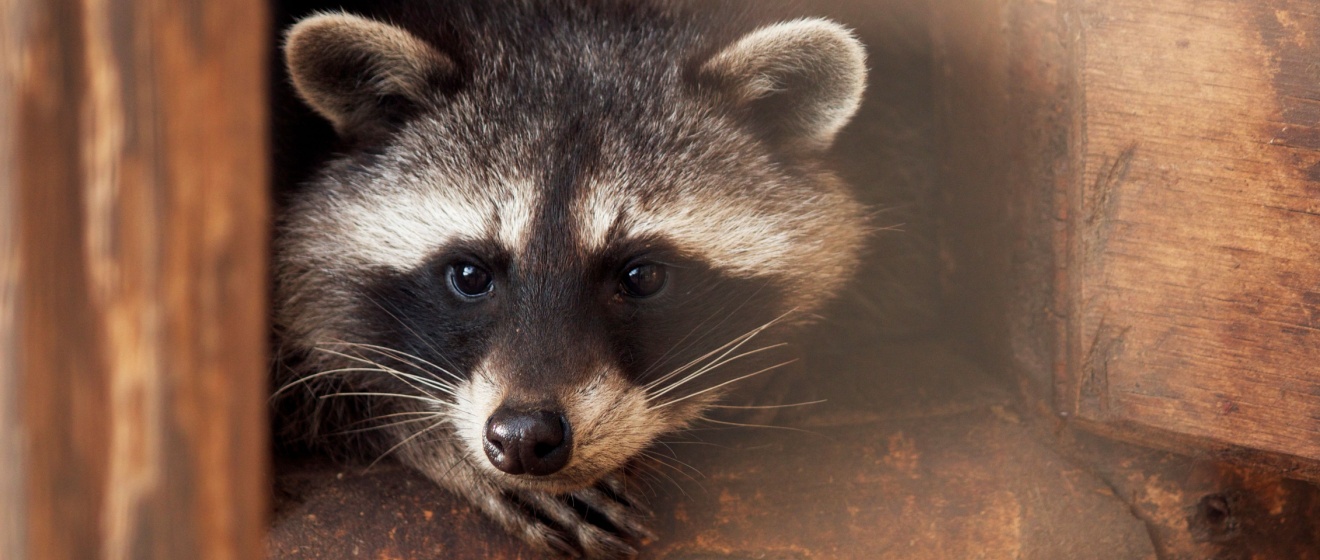
Raccoons are difficult to confuse with smaller animals once homeowners hear them. Their size produces sounds that are clearly heavier than rats or squirrels—thumping, dragging, and slow, deliberate movement. Vocalizations, including chattering or crying sounds, may also be audible if young are present. Raccoon activity in an attic is most often noticed at night, as they are primarily nocturnal foragers.
Damaged roof vents, torn soffits, or visible forced-entry points at the roofline typically accompany a raccoon presence. For more on why raccoons target attics and what that activity involves, see our post on why raccoons in Olive Branch frequently target attics.
Bats
Bats produce very different sounds than the other species listed here. They do not scratch or thump. Instead, homeowners with bat colonies in an attic or wall void typically hear a soft, high-pitched chattering or a faint rustling in the early evening as bats exit for feeding. Bats enter through very small gaps – openings as narrow as three-eighths of an inch – and their presence is often indicated by small dark droppings accumulating near entry points.
Bat removal is subject to specific legal protections and timing restrictions, making professional involvement particularly important.
Why Identification Matters
Each species requires a different removal approach, and an incorrect identification leads to ineffective and potentially costly work. A professional inspection provides a definitive answer – not based on sound alone, but on physical evidence including droppings, entry points, track patterns, and the condition of the attic itself. Magnolia Wildlife Solutions offers free inspections for homeowners across the Mid-South. If you are hearing unexplained sounds in your attic, contact us to schedule an assessment.